
In modern HR tech, AI is transforming People Analytics from a specialized, resource-heavy process into an accessible, high-impact, decision-making tool. From Machine Learning in HR to Generative AI in HR, organizations are using Workforce Analytics to predict trends, uncover hidden insights, and make faster, more informed choices. But as with any tool, AI has both advantages and limitations.
How AI Works in People Analytics
AI use in People Analytics typically falls into two categories—traditional AI and generative AI.
Traditional AI
Methods like machine learning and decision tree algorithms train and test large datasets to optimize models. This enables:
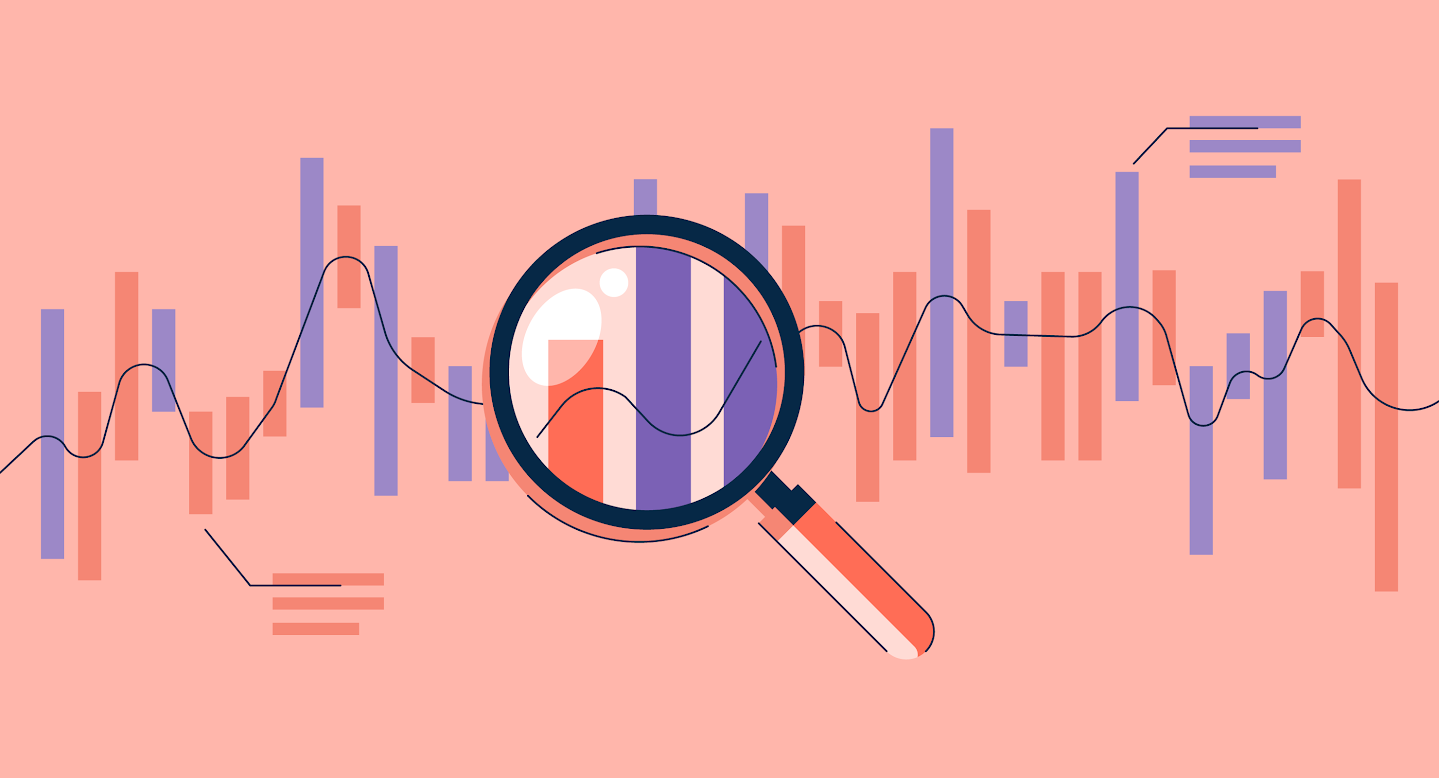
- Accurate predictions of workforce trends.
- Deeper insights into turnover, performance drivers, or promotion readiness.
- Advanced analytics such as survival analysis, A/B testing, and scenario planning.
Generative AI
Generative AI in HR lets anyone run analytics by simply typing a request into an AI chatbot with no coding required.
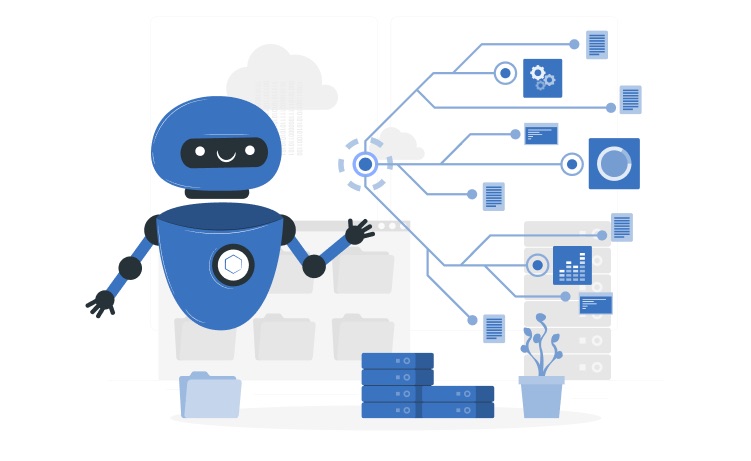
- Tools like ChatGPT can deliver anything from basic reports to complex models.
- Claude.ai supports code customization, while LLaMA operates in secure, closed environments.
- This democratizes analytics, giving smaller businesses access toinsights once reserved for large enterprises.
Pros
- Speed – Reduce analysis time by up to 90%.
- Accuracy – More precise models and predictions.
- New insights – Discover patterns not visible through manual analysis.
- Accessibility – Non-technical users can run advanced models.
- Level playing field – Smaller firms can match enterprise-level analytics capabilities.
Cons
- Expertise needed – Selecting the right model and designing sound hypotheses still require skill.
- Generative AI limits – May misinterpret data labels, merge datasets poorly, or produce unstable results from dynamic drift.
- AI Bias in HR – Both traditional and generative AI can amplify bias, such as favoring certain ethnicities for promotion or certain genders for higher pay. Expert oversight is critical to mitigate and prevent these biases.
Conclusion
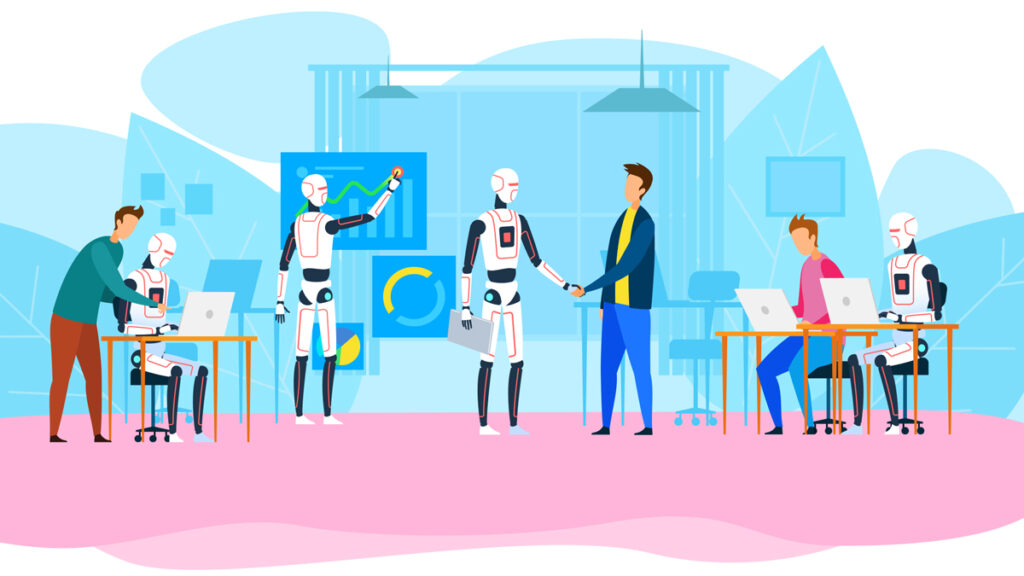
AI, whether via machine learning models or generative chatbots, is making Workforce Analytics faster, smarter, and more accessible. With proper expertise, it offers powerful opportunities for data-driven HR decision-making, but it must be applied thoughtfully to avoid bias and maintain accuracy. Now is the time for HR leaders to explore how AI can fit into their People Analytics strategy, starting with small, high-impact use cases that deliver quick wins while building the expertise to scale responsibly.